Why Royal Purple Synfilm is the Game Changer for Manual Transmission Enthusiasts
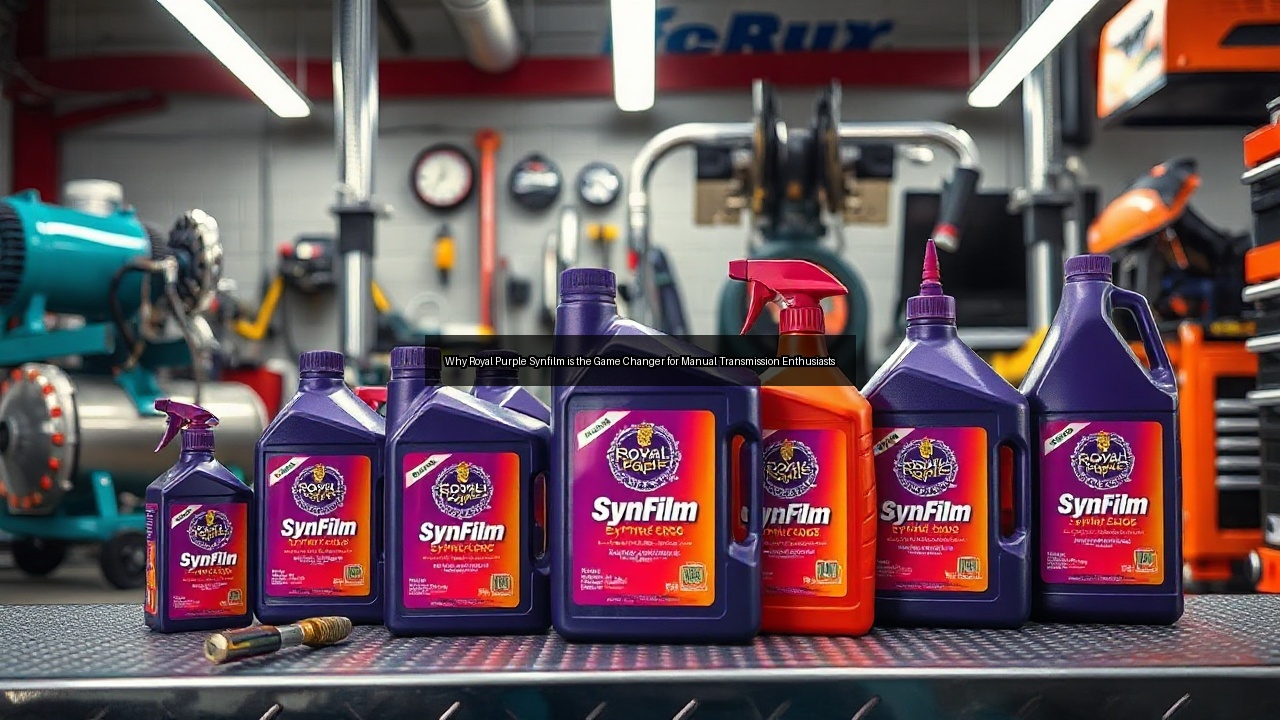
The Evolution of Manual Transmission Fluids
Historical Overview of Transmission Fluids
Manual transmission enthusiasts trace fluid development back to basic mineral oils that protected gears in early vehicles. Those initial lubricants offered minimal resistance to wear under load but broke down quickly during repeated shifts. Over decades, formulators added additives to reduce oxidation and improve film strength, yet conventional blends still left metal surfaces vulnerable in high-torque applications. Royal purple synfilm builds directly on that legacy by replacing outdated mineral stocks with advanced synthetics that maintain viscosity across wide temperature swings. Drivers who once drained thick, sludgy fluid every season now enjoy stable protection that lasts far longer. The progression reflects steady demand for smoother engagement and reduced notchiness, especially when cold starts or heavy hauling stress the gearbox.
Importance of Quality in Manual Transmission
Quality transmission fluid determines shift precision, gear life, and overall drivability in any manual setup. Poor fluid allows metal-to-metal contact that accelerates pitting on synchros and bearings. Enthusiasts who track lap times or tow trailers notice immediate differences once they upgrade. Royal purple synfilm delivers consistent film thickness that cushions contact points even when loads spike. It also resists shear, so viscosity stays within specification after thousands of miles. Choosing the right lubricant prevents costly rebuilds and preserves the crisp feel owners expect from a well-maintained gearbox. Regular monitoring of fluid condition further extends component life and maintains resale value.
The Shift to Synthetic Lubricants
Synthetic lubricants replaced conventional oil because they resist thermal breakdown and flow better at low temperatures. Royal purple synfilm represents the current standard for manual transmission applications, blending base stocks with proprietary additives that lower friction coefficients. This change allows faster synchronization and reduced heat generation during aggressive driving. Many owners report quieter operation and easier engagement after switching from mineral blends. The move to synthetics also supports extended drain intervals without sacrificing protection, freeing enthusiasts from frequent services. Performance gains appear most clearly during track days or spirited road use where sustained high rpm stresses every component.
Introducing Royal Purple Synfilm
What Sets Royal Purple Apart
Royal purple differentiates its product line through rigorous testing and proprietary additive packages that outperform generic synthetics. Royal purple synfilm incorporates friction modifiers tailored specifically for manual gearboxes rather than borrowing chemistry from engine oil or automatic transmission fluid. The purple color serves as a visual marker during fills, confirming the correct lubricant entered the case. Enthusiasts appreciate the brand’s focus on boundary lubrication that protects during the brief moments when gears mesh under load. This attention to detail produces measurable reductions in operating temperature and smoother lever travel compared with competing brands.
The Science Behind Synfilm Technology
Synfilm technology relies on polar molecules that bond to metal surfaces and create a durable boundary layer. Royal purple synfilm maintains this layer even when extreme pressure from rapid shifts would collapse ordinary films. Laboratory data show lower coefficients of friction across the full operating range, translating to less energy lost as heat. The formulation also includes antioxidants that slow varnish formation inside the transmission housing. These chemical properties allow the fluid to handle both daily commuting and weekend track sessions without viscosity loss or additive depletion.
Comparative Analysis with Traditional Oils
Traditional oils thicken dramatically in cold weather and thin excessively when hot, compromising shift quality. Royal purple synfilm maintains a flatter viscosity curve, delivering consistent protection whether the vehicle sits overnight in snow or idles in traffic. Side-by-side tests reveal reduced wear scar diameters on test specimens and lower noise levels during gear changes. Owners who previously used standard motor oil or mopar lubricants note immediate improvements in lever feel and reduced notching after the first drive. The synthetic base resists oxidation far longer, extending service life and reducing disposal frequency.
Performance Benefits of Royal Purple Synfilm for Manual Transmissions
Enhanced Lubrication and Reduced Friction
Enhanced lubrication starts with superior film strength that separates gear teeth under heavy torque. Royal purple synfilm lowers friction coefficients enough to produce noticeable improvements in shift effort and clutch engagement speed. Metal surfaces stay cooler because less energy converts to heat during meshing. This reduction in friction also decreases power loss through the drivetrain, a benefit track enthusiasts measure with chassis dynamometers. The fluid’s additives continue working after extended high-rpm runs, preserving the protective layer that conventional greases or oils cannot sustain.
Extended Longevity and Reliability
Extended longevity comes from resistance to shear and oxidation that keeps the fluid within specification for longer intervals. Manual transmission cases filled with royal purple synfilm show minimal sludge accumulation even after 60,000 miles. Bearings and synchros experience less abrasive wear, translating to fewer expensive repairs over the vehicle’s life. Reliability improves because the lubricant maintains protective properties during both short trips and long highway runs. Owners who once worried about fluid breakdown now focus on other maintenance items while enjoying consistent performance.
Performance in Extreme Conditions: Snow and Heat
Performance in snow demands low-temperature fluidity so synchros engage without grinding on cold mornings. Royal purple synfilm flows readily at sub-zero temperatures yet retains film strength once the transmission reaches operating heat. Summer track days expose the opposite challenge: sustained high temperatures that cook ordinary fluids. The same formulation resists thinning and maintains boundary lubrication when ambient conditions push gearbox temperatures past 250 degrees. Drivers in mountainous regions or desert climates report reliable shifts regardless of season.
User Experiences and Testimonials
Case Studies from Manual Transmission Enthusiasts
Case studies collected from track-day participants and daily drivers show consistent praise for royal purple synfilm. One owner of a high-mileage coupe documented a 15-degree drop in transmission temperature after the switch and eliminated a persistent whine during highway cruising. Another enthusiast who competes in ice racing noted smoother downshifts on cold mornings without the grinding previously experienced with standard lubricants. These real-world results align with laboratory data on film strength and friction reduction.
Feedback on Performance Improvements
Feedback centers on quicker lever travel, reduced notchiness, and quieter operation across the gear range. Multiple users mention that royal purple synfilm restored the original shift feel their vehicles had when new. Several also report less clutch chatter during low-speed maneuvers, attributing the change to improved lubrication at the input shaft. The purple tint makes visual inspection simple during fluid checks, and the distinctive bottle design prevents accidental mixing with other lubricants stored in the garage.
Comparing Royal Purple Synfilm with Mopar Lubricants
Comparing royal purple synfilm with mopar lubricants highlights clear advantages in film durability and temperature stability. Mopar fluids meet factory specifications yet lack the advanced additive package that allows extended drains and superior extreme-pressure protection. Owners who switched from dealer-recommended products recorded lower operating temperatures and smoother synchronization after the changeover. The difference becomes most apparent during spirited driving or when towing, where sustained loads expose limitations in standard formulations.
Application and Maintenance Tips
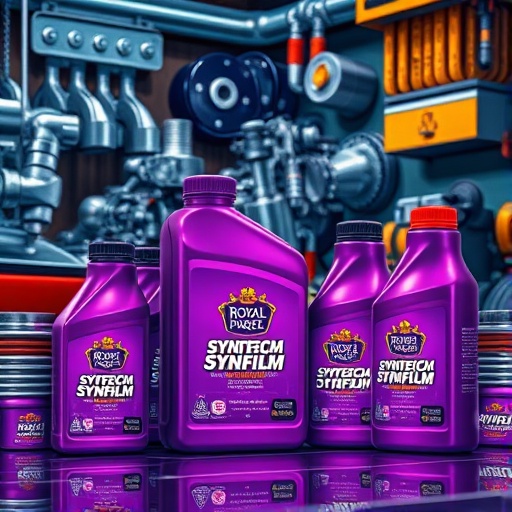
How to Properly Use Royal Purple Synfilm
Proper use begins with draining the old fluid completely while the transmission is warm. Refill with royal purple synfilm to the manufacturer’s specified level, then cycle through all gears before checking the final level. Avoid mixing with residual conventional oil; a complete flush yields the best results. The fluid works with most brass and steel synchros found in performance gearboxes, but always verify compatibility with the vehicle service manual first. An air compressor helps blow out old residue from fill plugs during the process.
Choosing the Right Bottle Size for Your Needs
Choosing the right bottle size depends on transmission capacity and planned service interval. Quart bottles suit small gearboxes or top-off needs, while gallon containers handle full changes on larger units or multiple vehicles. Bulk purchases lower cost per ounce for shops that service several manual transmissions regularly. Royal purple synfilm stores well in sealed containers, so enthusiasts can keep extra supply on hand without degradation. Always label the bottle clearly to prevent confusion with engine oil or grease stored nearby.
Regular Maintenance and Fluid Changes
Regular maintenance includes checking fluid level every oil change and inspecting for metal particles or discoloration. Most drivers achieve optimal protection with changes every 30,000 to 45,000 miles under normal use, though track cars may benefit from shorter intervals. Keep records of mileage and driving conditions to refine the schedule. When combined with proper clutch adjustment and linkage lubrication, royal purple synfilm supports crisp shifts and long component life. This disciplined approach maximizes the investment in quality synthetic lubricant.