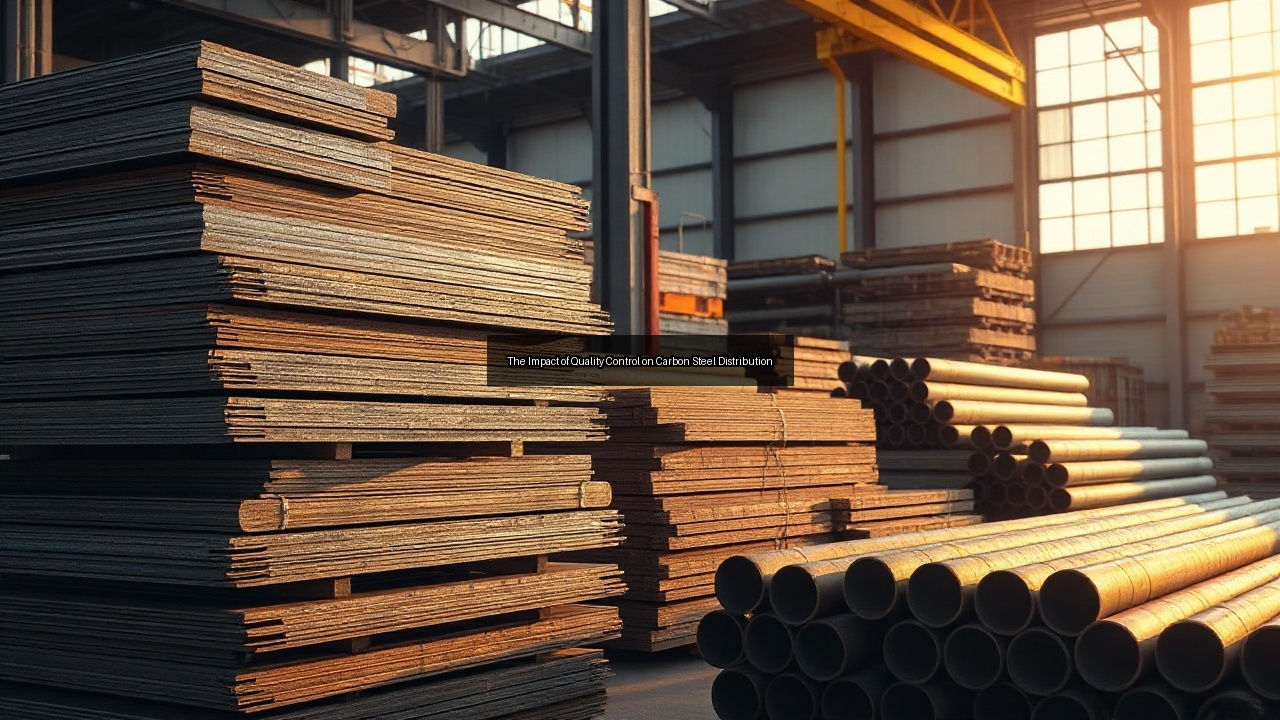
The Impact of Quality Control on Carbon Steel Distribution
Understanding Carbon Steel and Its Varieties
What is Carbon Steel?
Carbon steel is a type of steel that contains carbon as the primary alloying element. It typically consists of iron and carbon, with carbon content ranging from 0.05% to 2.0%. This essential metal forms the backbone of many industries due to its strength, durability, and versatility. Carbon steel is not only used in construction but also in manufacturing various products, including pipes, sheets, and structural components. The properties of carbon steel can vary significantly based on its carbon content, which influences its hardness, ductility, and tensile strength. This versatility makes carbon steel a popular choice among carbon steel distributors and suppliers worldwide.
Different Types of Carbon Steel: Low, Medium, and High Carbon
Carbon steel is classified into three main categories: low carbon steel, medium carbon steel, and high carbon steel. Low carbon steel, containing less than 0.3% carbon, is flexible and easily weldable, making it ideal for applications that require formability, such as automotive body panels and structural beams. Medium carbon steel, with a carbon content of 0.3% to 0.6%, strikes a balance between strength and ductility. It is commonly used in manufacturing machinery and automotive components. High carbon steel, with a carbon content above 0.6%, exhibits excellent hardness and wear resistance, making it suitable for cutting tools and high-strength applications. Each type serves specific purposes in construction and manufacturing, and understanding these differences helps carbon steel distributors cater to the diverse needs of their clients.
The Role of Alloys in Carbon Steel Composition
Alloys play a crucial role in enhancing the properties of carbon steel. While carbon is the primary alloying element, other elements such as manganese, silicon, and copper can be added to improve specific characteristics. Manganese, for instance, increases hardenability and tensile strength, making it a popular choice for medium and high carbon steels. Silicon and copper enhance corrosion resistance, which is valuable in applications exposed to harsh environments. Alloy steel, which includes carbon steel with additional elements, offers even greater strength and adaptability for specialized uses. The precise composition of these alloys can significantly impact the performance of the final product, and carbon steel suppliers must understand these variations to provide high-quality materials to their customers.
The Importance of Quality Control in Carbon Steel Distribution
Quality Control Standards for Carbon Steel Products
Quality control in carbon steel distribution ensures that the products meet industry standards and customer specifications. Organizations such as ASTM International and ISO provide guidelines that govern the quality of carbon steel products. These standards cover various aspects, from chemical composition to mechanical properties and surface finish. Compliance with these standards is essential for carbon steel distributors, as it guarantees the reliability and performance of their products. Rigorous testing and inspection processes, including tensile testing, impact testing, and metallurgical analysis, help identify any defects or inconsistencies in the material. A strong quality control program not only enhances product safety but also builds trust with clients, reinforcing the distributor's reputation in a competitive market.
Impact of Quality Control on Product Reliability and Safety
Quality control directly affects the reliability and safety of carbon steel products. Poor-quality steel can lead to structural failures, safety hazards, and costly repairs, particularly in critical applications like construction and infrastructure development. By implementing stringent quality control measures, carbon steel distributors can minimize the risk of defects and ensure that their products perform as expected under various conditions. This includes monitoring production processes, conducting regular audits, and maintaining comprehensive documentation. When clients receive reliable carbon steel, they can confidently use it in their projects, knowing it meets safety standards and performance expectations. Ultimately, effective quality control fosters long-term relationships between distributors and clients, enhancing customer satisfaction and loyalty.
Challenges in Quality Assurance for Carbon Steel Distribution
Quality assurance in carbon steel distribution faces several challenges that can impact the overall supply chain. Variability in raw materials, fluctuations in production processes, and changing customer requirements can complicate quality control efforts. Additionally, the global nature of the steel supply chain introduces complexities related to transportation and storage. For instance, environmental factors during shipping can affect the integrity of the carbon steel products. Carbon steel suppliers must stay vigilant, continuously adapting their quality assurance practices to address these challenges. Implementing advanced quality management systems and investing in employee training can help overcome these obstacles, ensuring that distributors maintain high standards throughout the distribution process.
The Role of Carbon Steel Distributors in the Supply Chain
How Carbon Steel Distributors Operate
Carbon steel distributors play a pivotal role in the supply chain, connecting manufacturers with end-users. They procure large quantities of carbon steel from producers, manage inventory, and facilitate the distribution of various steel products, including pipes, sheets, and bars. By understanding market demands and maintaining relationships with multiple suppliers, distributors can offer a wide range of options to their clients. Efficient logistics and inventory management are critical in this process, as distributors must ensure timely delivery while minimizing storage costs. Carbon steel distributors also provide value-added services such as cutting, welding, and custom fabrication, enabling them to meet specific customer needs while enhancing their competitive edge.
The Impact of Transportation on Quality Control
Transportation significantly influences the quality control of carbon steel products. During transit, materials can be exposed to adverse conditions that may compromise their integrity. For example, exposure to moisture can lead to rust formation, particularly in low carbon steel products. Distributors must implement proper packaging and shipping methods to protect their products from environmental factors. Additionally, monitoring transportation conditions, including temperature and humidity, can help ensure that the carbon steel arrives at its destination in optimal condition. Timely and efficient transportation not only preserves product quality but also strengthens the distributor's reputation for reliability, making them a preferred partner for customers in need of high-quality carbon steel.
Building Relationships with Carbon Steel Suppliers
Strong relationships with carbon steel suppliers are essential for distributors aiming to maintain a competitive advantage. Collaborating closely with suppliers allows distributors to gain insights into market trends, pricing fluctuations, and product availability. Open communication fosters transparency, enabling both parties to address challenges and streamline operations. By establishing long-term partnerships, carbon steel distributors can negotiate better pricing and terms, ensuring they can meet customer demands effectively. Furthermore, a robust supplier network enhances the distributor’s ability to provide diverse product offerings, catering to various industries and applications. Building these relationships ultimately leads to improved service quality and customer satisfaction, further solidifying the distributor's position in the market.
Future Trends in Carbon Steel Distribution and Quality Control
Innovations in Quality Management Systems
The future of carbon steel distribution will likely witness significant innovations in quality management systems. Advanced technologies such as artificial intelligence and machine learning can enhance quality control by enabling real-time monitoring of production processes. These innovations allow for more accurate predictive maintenance, reducing the likelihood of defects before they occur. Additionally, automation in testing and inspection processes can streamline operations, ensuring that products meet stringent quality standards consistently. As carbon steel distributors embrace these technologies, they will improve product reliability while increasing efficiency in their operations, ultimately leading to greater customer satisfaction.
Sustainability Practices in Carbon Steel Distribution
Sustainability is becoming increasingly important in carbon steel distribution. As industries strive to reduce their carbon footprint, carbon steel suppliers and distributors are adopting eco-friendly practices. This includes sourcing materials from sustainable sources, optimizing transportation routes to minimize emissions, and implementing recycling programs for scrap steel. Additionally, many distributors are focusing on developing environmentally friendly products, such as low-carbon steel options that require less energy in production. By prioritizing sustainability, carbon steel distributors can not only meet regulatory requirements but also attract environmentally conscious clients, creating a competitive advantage in the marketplace.
The Evolving Role of Technology in Quality Control
Technology continues to play a transformative role in quality control for carbon steel distribution. The integration of smart sensors and IoT devices allows for continuous monitoring of production and transportation environments. These technologies provide real-time data that can be analyzed to detect deviations from quality standards. Moreover, the use of blockchain technology can enhance traceability in the supply chain, ensuring that each batch of carbon steel meets compliance requirements. As technology evolves, carbon steel distributors must stay abreast of these advancements to maintain high-quality standards and optimize their operations. Embracing these innovations will not only improve quality control but also position distributors as leaders in the industry.
See Also
- Building Strong Partnerships with Carbon Steel Distributors
- How Carbon Steel Distributors Can Help You Optimize Your Supply Chain
- Why Low Carbon Steel is a Favorite Among Builders and Distributors
- The Evolution of Carbon Steel Distribution in a Competitive Landscape
- How Carbon Steel Distributors Support Infrastructure Development